
Grow it, and they will come.
Native plants are the best way to support our ecosystems.
Our domestic gardens do not properly provide for wildlife in our communities and outside of our backyards, the roadsides in Ontario are full of invasive species which take up the resources needed by our indigenous plants and animals. Many of our native plants are considered rare, threatened or endangered and the birds and bees will follow! Plants, soil, and their systems provide literally everything we rely upon from food and natural resources to manufactured plastics. Our plants are the gateway to the healthier environment we seek for the future.
Planting native gardens is a tangible, observable, close-to-home initiative that we can all participate in. We will see the results right in front of our eyes… and if that’s not enough, check out the other beautiful gifts a native garden can provide:
Biodiversity Conservation
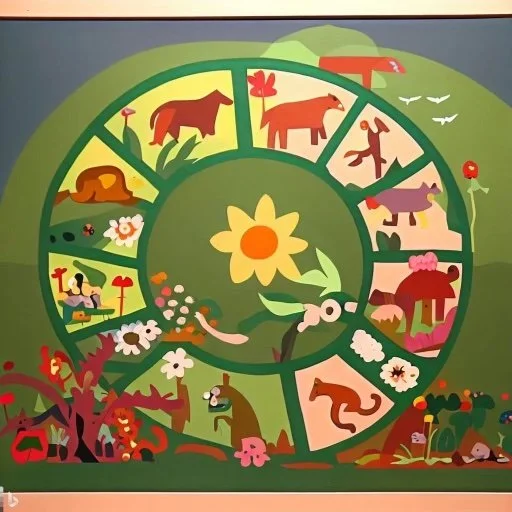
Native gardens provide a habitat for local plant and animal species, promoting biodiversity. They create ecosystems that support pollinators, birds, and other wildlife, helping to preserve the natural balance in the local environment.

Water Conservation
Native plants are well-adapted to the local climate and require less water once established. By using native plants in gardens, schools, and community spaces can reduce water usage and contribute to sustainable water management practices.

Low Maintenance
Native plants generally require less maintenance than non-native species because they have evolved to thrive in the local environment. Once established, they are more resistant to pests and diseases, reducing the need for pesticides and fertilizers.

Resilience to Climate Change
Native plants have adapted to the local climate over time, making them more resilient to extreme weather events and climate change impacts. By incorporating native gardens, schools and communities can contribute to climate change adaptation efforts.

Cultural and historical significance:
Native gardens often include plants that have cultural and historical significance to indigenous communities. By creating and maintaining native gardens, schools and community spaces can honour and respect the traditions and knowledge of the original inhabitants of the land.

Aesthetics and sense of place:
Native gardens can be visually striking, with a unique beauty that reflects the local landscape. They enhance the sense of place and identity within a community, fostering a deeper connection to the environment.

Physical and Mental Wellness
Green spaces, including native gardens, have been shown to positively impact mental health and well-being. They offer opportunities for relaxation, recreation, and physical activity, promoting healthier lifestyles.

THIS SITE IS UNDER DEVELOPMENT
Thanks for visiting! We so appreciate your attention and curiosity. Please check back soon for updates, resources and initiatives to get involved with!